Milwaukee Packout vs Craftsman VERSASTACK: Which Is Better? (October 2026)
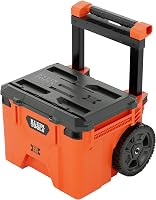
In Milwaukee Packout vs Craftsman VERSASTACK, choose Packout for bulky tools and a base to expand; choose VERSASTACK for separate tool groups from the start. These options compare one Milwaukee rolling box with two Craftsman tower sets.
On this page (11 sections)
- Milwaukee Packout vs Craftsman VERSASTACK: which should you choose?
- How do their storage layouts compare?
- Which system is easier to move?
- How do their weather protection details compare?
- Which box offers more security?
- Which one is better for your tool load?
- How should you set up either system?
- What common mistakes should you avoid?
- How do you care for the boxes and connections?
- What are the main tradeoffs?
- Milwaukee Packout vs Craftsman VERSASTACK: the final decision
Choose Milwaukee Packout for bulky tools and future Packout additions; choose Craftsman VERSASTACK for separate tool groups from the start. This Milwaukee Packout vs Craftsman VERSASTACK comparison weighs one Milwaukee rolling box against two Craftsman tower sets.
That difference matters: you're choosing between an open rolling base and bundled boxes, not equal packages. Start with the tools you carry, the space they need and how often you'll open each container.
The strongest choice is the one you can pack, move and reach into without rebuilding the stack for every task.

 Best for grouped project kits
Craftsman VERSASTACK XL 4-Piece Rolling Tower
Milwaukee Packout vs Craftsman VERSASTACK: which should you choose?
Choose Packout for a large shared compartment, the VERSASTACK XL for separate project kits, or the smaller VERSASTACK tower for a narrower footprint. Existing boxes should also guide your choice because connections are system-specific.
A buyer with bulky power tools has different needs from someone carrying hand tools, fasteners and repair supplies. Lay out your usual load before choosing a brand, then decide which groups need their own containers.
Also compare what you need immediately with what you might add later. Buying a tower makes sense when you'll use its separate boxes now; starting with a rolling base makes sense when the main compartment solves your current problem.
Who should choose Milwaukee Packout over Craftsman VERSASTACK?
Choose the Milwaukee rolling box if large tools need to share an open space or you already have compatible Packout boxes. It provides a base you can build around without starting with a full tower.
Its impact-resistant polymer body, metal-reinforced corners and industrial-grade extension handle suit buyers prioritizing construction and transport features. That doesn't remove the need to pack tools carefully or keep the load manageable.
Skip this standalone box if your main need is sorting many small items immediately. The interior organizer tray is optional, so allow for containers or other organization before filling the compartment.
Who should choose Craftsman VERSASTACK?
Choose a Craftsman tower if you want tools separated by task, size or frequency of use. Individual boxes let you take a smaller kit to the work area while leaving the rest stored.
The XL set suits buyers dividing equipment among several larger containers. The smaller tower suits buyers who value a top organizer and need less floor space.
Skip a tower if you'll constantly need the bottom box while everything remains stacked. Compare the best stackable tool boxes for other layouts, and use our Milwaukee Packout dimensions guide when planning compatible Milwaukee additions.
How do their storage layouts compare?
Packout offers open storage; the Craftsman sets divide tools among separate units. The useful choice depends on what must fit together and what you want to carry separately.
The XL package contains a 22 in suitcase, a 22 in deep toolbox, a 22.5 in rolling unit and an adaptor. Its fourth piece is the adaptor, not another storage box.
The smaller VERSASTACK tower includes a bottom mobile unit, middle deep toolbox and top organizer. This gives you a clear starting point for larger equipment, hand tools and small supplies.
With any layout, group items around a task rather than filling every gap. A drill, its bits and the fasteners for one job are easier to use together than scattered across several boxes.
Can you add more boxes?
You can expand within each supported system. Milwaukee's rolling box accepts Packout modular storage products, while the XL set includes an adaptor for connecting other VERSASTACK system boxes sold separately.
Don't assume that similar dimensions or matching colors mean two components connect. Check the exact box and connection type before adding it to your setup.
Our guide to modular tool boxes compares stackable storage options. For a step-by-step way to plan the whole setup, read how to choose a modular rolling tool box system.
Which system is easier to move?
The smaller VERSASTACK tower has the lowest empty weight, but your route and packed load matter more than that figure alone. A light box filled with dense tools can still be difficult to lift.
Milwaukee's all-terrain wheels and the XL tower's 7 in wheels are relevant if you cross uneven ground. Wheel size alone doesn't establish which loaded setup will move more easily over your particular route.
The XL has a coated carry handle. The smaller Craftsman tower uses a metal-plastic telescopic handle with push-button opening and closing, and the handle leans backward to allow storage space.
Think through the whole trip: garage floor, doorway, path, vehicle and work area. A rolling setup that suits a flat driveway may still require several separate lifts when stairs or a high cargo floor interrupt the route.
What should you measure before buying?
Measure the tightest opening and the space needed to use the boxes, not just the parking spot. Include vehicle hatch openings, shelf clearance and room to tilt the setup onto its wheels.
Check your largest tool in its normal storage position. External dimensions don't tell you whether a tool fits inside, especially when its handle, battery or case adds awkward corners.
Leave space to open lids and set removed boxes down. Our tool chest size guide helps you plan garage access as well as storage footprint.
How do their weather protection details compare?
Packout has an IP65-rated weather seal, while the smaller VERSASTACK tower has IP54 dust and water resistance. The XL has a water- and dust-resistant body without a specified IP rating here.
Choose Packout if the stronger specified weather protection is a deciding feature. Still, no weather seal makes it sensible to leave tools in standing water or close the lid on wet equipment.
Brush dirt away from lid edges before closing a box. Grit or trapped debris can prevent a clean closure, so inspect the contact surfaces after dusty work.
Dry damp tools and air out the interior before long-term storage. Moisture carried inside on tools remains a concern even when the box resists water from outside.
Which box offers more security?
Packout has a metal-reinforced locking point, but a stacking connection isn't a theft lock. Treat lid closure, box-to-box attachment and securing the whole setup as separate needs.
Milwaukee uses heavy-duty latches. The smaller Craftsman tower has heavy-duty rust-resistant metal latches, plus side latches that join the units.
The XL's automatic drop-and-lock mechanism and one-touch release make connecting and separating its units straightforward. Those functions don't establish protection against someone opening or carrying away a box.
Before choosing a lock, check the fit and instructions for the exact unit. When transporting tools, secure the load in the vehicle rather than relying on stacking connections to hold everything in place.
Which one is better for your tool load?
Choose by tool fit, applicable load limits and your ability to lift the packed units. A high weight allowance isn't a target you need to reach.
Milwaukee gives a maximum weight recommendation of 113 kg for this rolling box. That figure doesn't mean you should plan to lift that load into a vehicle or move it over every kind of surface.
The smaller Craftsman tower has differing published figures: a 65 lb maximum weight recommendation, a 66 lb rolling-unit capacity and 110 lb when stacked. Ask Craftsman to clarify the limit for your exact arrangement before planning a heavy load.
Check the XL tower's manual for its load limit before packing. Don't carry a capacity figure over from another VERSASTACK model or infer it from the size of the boxes.
If most tools stay in the garage and you want frequent access without lifting boxes off a stack, consider drawers. Our rolling tool chest guide explains when that layout fits better.
How should you set up either system?
Pack by weight and access first, then assign a clear job to each space. Put heavy items low and keep the supplies you reach for most easy to remove.
- Build your normal project load. Include tools, batteries, leads, bits and supplies you actually take, rather than everything you own.
- Group tools by task. Keep repair supplies together or separate drilling equipment from measuring and layout tools.
- Protect smaller items. Use suitable containers so loose bits and fasteners don't collect beneath large tools.
- Plan access to lower boxes. Place less-used equipment lower in a tower when the load balance allows it.
- Check every connection. Close lids, engage the intended stacking connections and make sure nothing is caught before moving.
Leave some room to remove tools without unpacking neighboring items. A box filled to the lid may store more, but it can make routine work slower.
For a broader method of grouping tools and assigning storage zones, see how to organize a tool chest. The same habit of giving each tool a home helps inside modular boxes.
What common mistakes should you avoid?
Avoid choosing by brand, outside size or total capacity alone. The wrong layout creates extra lifting and searching even if every tool technically fits.
One mistake is treating the Milwaukee box and a Craftsman tower as equivalent bundles. Work out which additional storage pieces you need to create your intended setup before deciding.
Another is putting every frequently used tool in the rolling base. With boxes stacked above it, access may require taking the tower apart just to reach a tape measure or driver.
Don't assume stacked units form one convenient lifting load. Separate the setup when needed and use the intended lifting points, keeping each lift within what you can safely handle.
Avoid packing a tall stack with the heaviest equipment on top. A lower center of weight helps keep the load more manageable, particularly while turning or crossing a threshold.
Finally, don't add boxes simply because they connect. Each addition brings more weight and another access decision, so expand only when it gives a tool group a useful place.
How do you care for the boxes and connections?
Keep lids, wheels and stacking connections free of debris, and inspect them before moving a loaded setup. A quick check is most useful after dusty work or transport.
Remove loose dirt before wiping surfaces with a damp cloth, following the care instructions for each unit. Avoid forcing a latch or release that feels obstructed; unload and inspect the area first.
Check for trapped straps, cords and tool handles before closing lids. Pressing a lid down over an overfilled compartment puts strain on closures and can keep it from seating properly.
Inspect wheels and handles for damage or looseness, and remove debris that interferes with movement. If a connection no longer engages as intended, stop using it to carry a stack until the problem is resolved.
Store the boxes on a stable surface and dry the interior before putting tools away for an extended period. Keep small accessories contained so they don't fall into connection areas when you open a unit.
What are the main tradeoffs?
Packout gives you an open rolling base; VERSASTACK gives you divided storage immediately. Use the measurements below to check fit, then choose the layout that reduces work during your usual projects.
| Feature | Milwaukee Packout 22-Inch Rolling Tool Box | Craftsman VERSASTACK XL 4-Piece Rolling Tower | Craftsman VERSASTACK 17-Inch Rolling Tool Box |
|---|---|---|---|
| Layout | 1 compartment | 3 storage units plus adaptor | 3 storage units |
| Dimensions | 22.1 x 18.9 x 25.6 in | 22.11 x 17.98 x 33.3 in | 19.89 x 16.97 x 30.81 in |
| Empty weight | 23.4 lb | 33.9 lb | 20.9 lb |
| Handle | Industrial-grade extension handle | Coated handle | Metal-plastic telescopic handle |
| Weather protection | IP65-rated weather seal | Water and dust resistant | IP54 rated |
| Connections | Packout modular storage products | Drop-and-lock mechanism and included VERSASTACK adaptor | VERSASTACK side latches |
| Organization | Interior tray optional | Suitcase, deep toolbox and rolling unit | Mobile unit, deep toolbox and top organizer |
| Product | Best for | Size | Weight | Layout | Our score |
|---|---|---|---|---|---|
| Milwaukee Packout 22-Inch Rolling Tool Box | bulky tool loads | 22.1 x 18.9 x 25.6 in | 23.4 lb | 1 compartment | 9.0 |
| Craftsman VERSASTACK XL 4-Piece Rolling Tower | grouped project kits | 22.11 x 17.98 x 33.3 in | 33.9 lb | 3 storage units | 8.6 |
| Craftsman VERSASTACK 17-Inch Rolling Tool Box | tight storage spaces | 19.89 x 16.97 x 30.81 in | 20.9 lb | 3 storage units | 8.0 |
Milwaukee Packout vs Craftsman VERSASTACK: the final decision
Buy Milwaukee Packout if your priority is bulky tool storage, its specified weather protection or expanding compatible boxes you already use. Skip the standalone box if you need small-parts separation without adding organizers.
Buy VERSASTACK XL if you can assign a useful role to each storage unit and want its included adaptor for other VERSASTACK boxes. Choose the smaller VERSASTACK tower if storage footprint and empty weight matter more, after confirming tool fit and load guidance.
Before ordering, map one real project into the setup: what goes inside, what comes out first and what you'll lift into your vehicle. If that exercise points toward drawers instead, use our rolling tool chest and tool box guide to choose the right storage style.
Frequently asked questions
Is Milwaukee Packout better than Craftsman VERSASTACK?
Milwaukee Packout is the better choice for bulky tools and buyers expanding an existing Packout setup. Craftsman VERSASTACK suits buyers who want separate tool groups immediately.
This comparison covers one Milwaukee rolling box and two Craftsman tower sets, so the included storage layout matters more than a brand-wide winner.
Can Milwaukee Packout connect to Craftsman VERSASTACK?
Don't assume Milwaukee Packout connects directly to Craftsman VERSASTACK. The Milwaukee box supports Packout modular storage products, while the Craftsman towers use VERSASTACK connections.
The XL set's included adaptor connects to other VERSASTACK boxes; it doesn't establish cross-brand compatibility.
Use connections approved for the exact components.
Which rolling tool box is easier to organize?
The Craftsman towers make it easier to separate tools into boxes from the start. The smaller tower also includes a top organizer for supplies.
Packout suits larger items sharing one space, but small parts need containers or the optional interior tray.
Choose by how often you need each tool group.
Which system is better for outdoor projects?
Packout has the stronger specified weather protection here, with an IP65-rated weather seal compared with IP54 on the smaller VERSASTACK tower. The XL tower has a water- and dust-resistant body without a specified IP rating in this comparison.
Keep all three out of standing water and dry tools before storage.
How should I choose between the two VERSASTACK rolling towers?
Choose the XL tower when you want its suitcase, deep toolbox, rolling unit and included VERSASTACK adaptor. Choose the smaller tower when a narrower footprint and lower empty weight matter more.
Measure your largest tools and cargo opening first, then decide which arrangement you can load and access comfortably.